
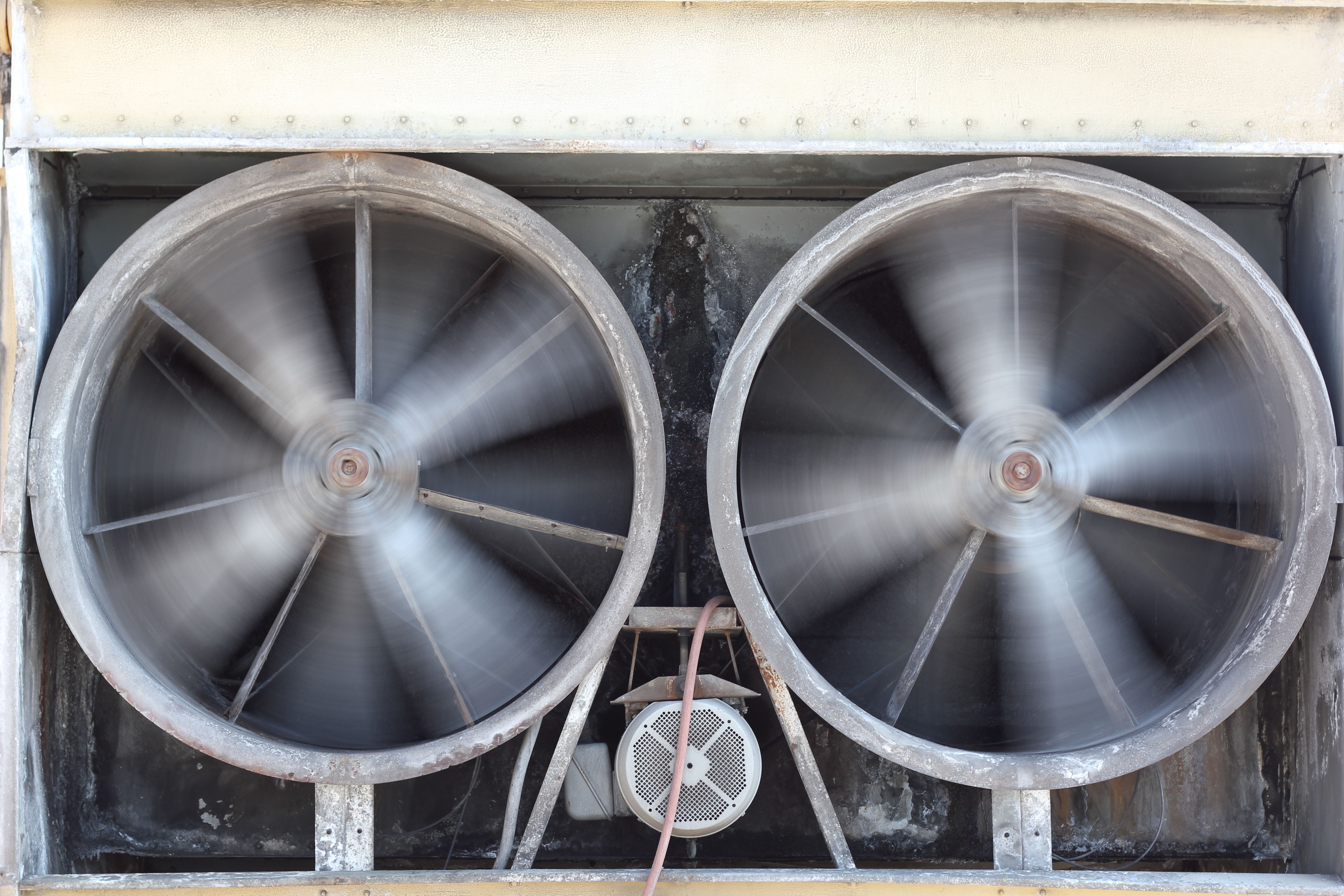
Every exhaust system in your building ends at a rooftop fan — and every rooftop fan takes the worst of it. UV exposure, weather, grease, lint, bird activity, and vibration all shorten service life. When a rooftop fan fails, the system downstream stops working: kitchen hoods go out of NFPA 96 compliance, laundry dryers stop venting, bathroom risers push odor back into apartments, and compactor rooms fill with gases. Cismycro Environmental maintains rooftop exhaust fans across NYC — cleaning, servicing, and documenting them before failure, not after.
What's Included in Roof Fan Maintenance
- Visual and operational inspection
- Belt inspection, tensioning, and replacement
- Bearing lubrication
- Motor amp draw reading and verification against nameplate
- Fan wheel and housing cleaning (especially critical on grease-carrying and lint-carrying fans)
- Hinge, curb, and curb gasket inspection
- Grease cup service (where equipped)
- Damper and screen inspection
- Photo documentation and written service report
Fan Types We Service
Kitchen exhaust fans, laundry exhaust fans, bathroom exhaust fans, garage CO exhaust fans, general building exhaust, compactor room exhaust, and industrial process fans. We work on all major brands including Greenheck, Loren Cook, PennBarry, Captive-Aire, and Twin City.
Why Rooftop Fan Maintenance Matters
- Prevents compliance failures. A failed kitchen fan takes your NFPA 96 compliance with it. Scheduled service prevents it from happening mid-service.
- Extends equipment life. A $400 belt and bearing service beats a $6,000 fan replacement. Maintenance defers capital spend.
- Protects the building. Failed exhaust fans push odors, grease, lint, and CO back into occupied spaces.
- Supports insurance requirements. Documented maintenance is often required under commercial kitchen and multifamily insurance policies.
Recommended Frequency
Kitchen exhaust fans should be inspected with every NFPA 96 cleaning — monthly, quarterly, semi-annually, or annually depending on cooking volume. Laundry and general exhaust fans typically run a semi-annual or annual inspection cycle.