
Per NFPA 82 Section 10 Code 10.2.2

Compactor & Chute Cleaning

Eliminate odors. Stay code-compliant.

Trash chute and compactor cleaning for NYC high-rises. Odor, pest, and fire-risk control with full documentation.

Compactor & Chute Cleaning

About This Service

Trash chutes and compactors are two of the dirtiest, highest-risk assets in any high-rise — and two of the most ignored. Grease, liquid runoff, and rotting organic matter coat the interior of the chute from floor one all the way to the compactor room, creating odors that migrate into residential hallways, pest activity in the compactor area, and a serious fire load that no building wants to find out about the hard way. Cismycro Environmental provides full-service trash chute and compactor cleaning for residential towers, mixed-use properties, hospitals, and commercial buildings throughout NYC.

What's Included in a Chute & Compactor Cleaning

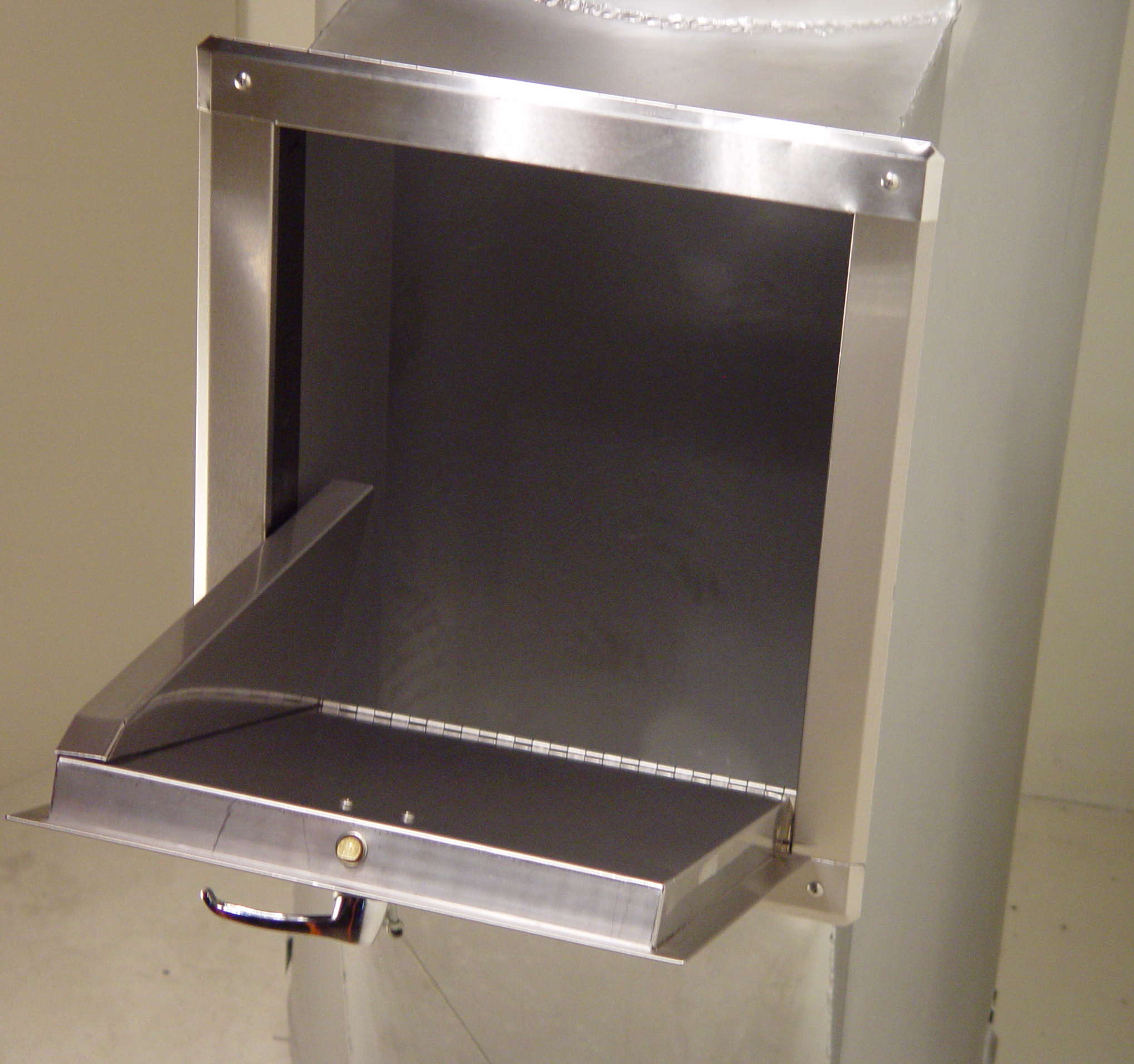
  • High-pressure hot-water cleaning of the full chute interior from top floor to discharge
  • Degreasing and deodorizing with commercial-grade sanitizers
  • Compactor body, ram, and hopper cleaning
  • Chute door, hinge, and gasket wipe-down on every floor
  • Compactor room floor, walls, and drain cleaning
  • Optional EPA-registered disinfectant fogging for pest and pathogen control
  • Before/after photo documentation

Why Regular Chute Cleaning Matters

  • Odor control. Residual food waste ferments inside the chute and pushes odor onto every floor through chute doors and pressure differentials.
  • Pest prevention. Roaches, flies, and rodents feed on chute buildup. Regular cleaning breaks the cycle without overreliance on pesticides.
  • Fire risk reduction. Organic buildup inside a chute is combustible. Clean chutes burn far less readily than neglected ones.
  • Tenant satisfaction. Hallway odor is one of the top complaints in high-rise residential. Cleaning resolves it at the source.

Our Process

  1. Rooftop access, discharge shutoff, and chute isolation
  2. Compactor room protection and drain prep
  3. Top-down high-pressure hot-water wash with degreasing agent
  4. Chute door and gasket service on every floor
  5. Compactor body cleaning and deodorizing
  6. Sanitizing fog (optional) and final inspection

Recommended Frequency

For residential high-rises, quarterly cleaning is the standard; semi-annual is the minimum. Commercial buildings with food tenants or hospitals typically run monthly programs. We'll build a schedule around your occupancy, complaint history, and budget.

Key Benefits

  • Odor elimination
  • Fire hazard reduction
  • Pest prevention
  • Health code compliance

Industries We Serve

Residential co-ops & condos

Quarterly chute service keeps hallway odor and pest complaints off the board meeting agenda.

Rental high-rises

Documented cleaning supports leasing claims and tenant-retention programs.

Hotels

Back-of-house chute hygiene directly affects guest-floor odor and review scores.

Hospitals & healthcare

Infection-control-grade sanitizing with EPA-registered disinfectants and SDS documentation.

Nursing homes

DOH-aligned cleaning protocols and written reports for audits.

University dorms

Move-in / move-out deep cleanings on top of the regular schedule.

Mixed-use

Residential-above-retail buildings with shared chute infrastructure.

NYC Neighborhoods Covered

Manhattan high-rises

Co-ops, condos, and rental towers from Battery Park to Inwood. Quarterly and semi-annual chute programs scheduled around doorman coverage and occupancy.

Brooklyn residential

Williamsburg, DUMBO, Downtown Brooklyn, Park Slope, Crown Heights, and Bay Ridge. New-construction high-rises and pre-war co-ops alike.

Queens mid- and high-rise

Long Island City, Astoria, Forest Hills, Jackson Heights, Jamaica. Local crews minimize travel time and parking complexity.

Bronx multifamily

Riverdale, Kingsbridge, Fordham, Co-op City. NYCHA-adjacent experience for tenant-coordination sensitivity.

Long Island commercial

Nassau and Suffolk — assisted living, hospitals, hotels, and industrial.

Also serving

ManhattanUpper East SideUpper West SideMidtownChelseaFinancial DistrictTribecaSoHoHarlemWashington HeightsBrooklynDowntown BrooklynBrooklyn HeightsWilliamsburgDUMBOPark SlopeCrown HeightsBushwickQueensLong Island CityAstoriaJamaicaFlushingForest HillsJackson HeightsBronxRiverdaleKingsbridgeFordhamLong IslandNassau CountySuffolk County

Code Compliance

NFPA 82§10.2.2

Refuse chute and compactor cleaning and maintenance requirements. Failure to comply is a fire-code violation.

NYC Admin. Code§28-301.1

Owner obligation to maintain all building systems — including chutes — in safe and code-compliant condition at all times.

NYC Mech Code 2022§502 series

Ventilation and exhaust requirements adjacent to chute/compactor room infrastructure.

Recommended Service Frequency

Use caseRecommended frequencyNotes
Residential high-rise (no food tenants)Semi-annual minimum; quarterly standardIncrease to quarterly if you receive 2+ odor complaints per year.
Residential high-rise (food tenants on-site)Quarterly minimumRestaurant or grocery tenants accelerate buildup.
HotelQuarterlyHigher-volume properties may need bi-monthly.
Hospital / healthcareMonthly to quarterlyPaired with healthcare-grade disinfection.
Commercial office with cafeteriaQuarterlyFood-waste volume is the driver.

Frequently Asked Questions

How often should a trash chute be cleaned in a NYC high-rise?

Quarterly is the industry standard for residential high-rises; semi-annual is the minimum. Buildings with food tenants, hotels, and hospitals typically move to monthly or bi-monthly programs. We'll set a schedule based on your occupancy, complaint history, and budget.

Is trash chute cleaning required by NYC law?

Yes — indirectly. NFPA 82 §10.2.2 requires refuse chute and compactor maintenance, and NYC Administrative Code §28-301.1 places a general obligation on building owners to keep all systems in safe, code-compliant condition. Failure to maintain chutes is a fire-code violation.

How long does a trash chute cleaning take?

Most residential chutes under 30 floors are serviced in 4–8 hours. The variables are building access, discharge configuration, and chute condition. We coordinate a lockout window with building staff in advance.

Do tenants need to stop using the chute during service?

Yes. Chute doors are locked out during the service window — typically 4–8 hours — and we post advance-notice signage. Building staff are notified and residents can use alternative disposal during the window.

Is the cleaning safe for the compactor and compactor equipment?

Fully. Our crews are trained on all major compactor brands and use compatible cleaning agents. We lock out electrical at the panel before any body work, and document power restoration after service.

Do you handle odor issues between full cleanings?

Yes. We offer interim deodorizing, enzyme treatments, and EPA-registered sanitizing fogging for buildings managing active odor or pest complaints. Enzyme applications between full cleanings measurably extend odor-free intervals.

Can you handle pest control as part of chute service?

Chute cleaning itself is one of the strongest pest-control interventions a building can make — removing the food source is more effective than spraying. For active infestations we coordinate with your licensed pest-control provider.

What documentation do you provide after each cleaning?

Before/after photo documentation, written service report, products used and SDS where applicable, access verification, and a dated service certificate for your records and insurer.

Do you service chutes in buildings with limited roof access?

Yes. We work with whatever access is available — rooftop, mechanical room, or top-floor chute room. If roof access has permit or scaffold complications, we scope alternatives during the walkthrough.

Are you insured, licensed, and MBE certified?

Yes — Cismycro Environmental is a NYC MBE-certified contractor with full general liability and workers' compensation. COIs are issued on request naming the building, managing agent, and owner.