
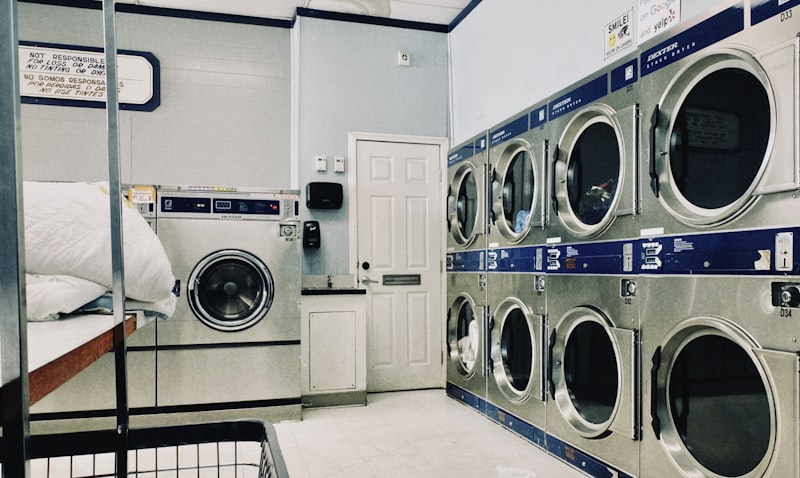
Laundry exhaust ducts are the single most dangerous part of most residential high-rises and commercial laundries — and the part most often out of compliance. Lint, the primary byproduct of every dryer cycle, accumulates on duct walls, transition pieces, and rooftop terminations. When airflow drops below design spec, dryer cycles run longer and hotter, heat backs up into the duct, and the lint ignites. Cismycro Environmental provides commercial laundry duct cleaning designed around the actual failure modes — lint accumulation, damper non-compliance, and restricted termination points — not a generic vent sweep.
What's Included
- Full laundry exhaust duct cleaning from dryer transition to rooftop or sidewall termination
- Rooftop termination cap and screen cleaning
- Dryer lint trap housing and blower cleaning
- Damper inspection and compliance review (see code note below)
- Airflow verification pre- and post-cleaning
- Before/after photo documentation and written report
NYC Mechanical Code Compliance
NYC Mechanical Code 2022 §502.2 and §606.5 govern laundry exhaust configuration. A common issue we find in older buildings: fusible-link dampers installed in residential laundry exhaust ducts, which are no longer compliant under current code and must be identified and replaced. If your building has not been reviewed recently, a cleaning is the right time to document what's there — and we provide that documentation as part of every project.
Why Laundry Duct Cleaning Is Non-Negotiable
- Fire prevention. Lint is the number one ignition source in dryer-related fires. Commercial and high-rise systems concentrate that risk vertically across dozens of floors.
- Insurance. Most commercial property policies require documented dryer duct cleaning. A missed cleaning can become a coverage dispute after a loss.
- Dryer performance. Clean ducts cut dry times, reduce utility costs, and extend equipment life.
- Code exposure. Non-compliant dampers and terminations create direct DOB and insurance exposure.
Our Process
- Building walkthrough and riser documentation
- Rooftop and mechanical room access coordination
- Mechanical agitation plus negative-air HEPA extraction
- Damper and termination inspection with photos
- Airflow readings pre- and post-cleaning
- Written report with compliance notes