
NYC Mech Code 2022 §502 & §606.5

Kitchen & Bathroom Vent Cleaning

Code-compliant riser cleaning. Engineering-partner trusted.

Residential kitchen and bathroom exhaust vent cleaning and code-compliance remediation for NYC apartment buildings. Partner to MEP and TAB engineers.

Kitchen & Bathroom Vent Cleaning

About This Service

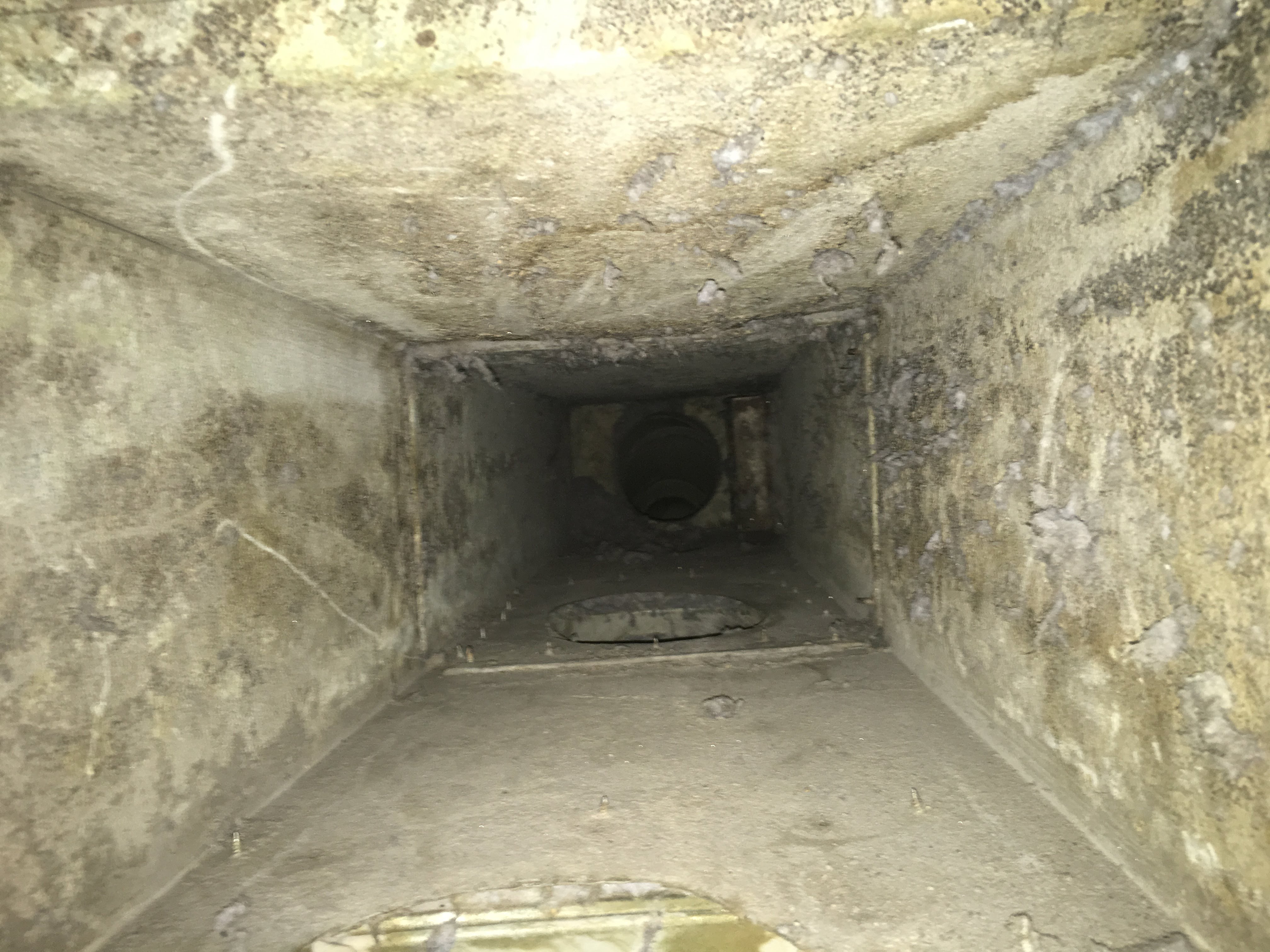
Cismycro Environmental cleans and brings to code the kitchen and bathroom exhaust vents in NYC residential buildings — the risers that pull air from individual apartments up through the building to rooftop termination. Over years of use these risers accumulate grease from cooking exhaust, lint from bathroom fan use, moisture buildup, and debris that restricts airflow, creates odor migration between apartments, and exposes the building to NYC Mechanical Code violations.

We're the contractor that property managers and building engineers call when tenant complaints stack up, when a code review flags non-compliant dampers, or when an MEP firm or TAB contractor needs a cleaning crew to restore baseline airflow before balancing work. We do not service commercial kitchen hoods or restaurant exhaust — our scope is residential buildings and the engineering partnerships that surround them.

Systems We Service

  • Apartment kitchen exhaust risers — from the in-unit range hood or kitchen vent up through the riser to the rooftop fan and termination
  • Apartment bathroom exhaust risers — from the in-unit grille through the riser to the roof
  • Shared laundry exhaust — in-building laundry room dryer ducts (see our dedicated Laundry Duct Cleaning service)
  • General building exhaust — hallway exhaust, mechanical room exhaust, trash-room exhaust
  • Rooftop exhaust fans and terminations — the discharge end of every riser above
  • Parking garage CO exhaust — for residential buildings with enclosed parking

We do not service commercial kitchen hoods, restaurant exhaust systems, or NFPA 96 scopes. If your building has a commercial restaurant tenant with its own hood and exhaust, we can recommend an NFPA 96-certified partner.

Why Residential Vent Cleaning Matters

  • Code exposure. NYC Mechanical Code 2022 §502 and §606.5 govern residential exhaust configuration. Older buildings frequently contain non-compliant components — fusible-link dampers in laundry and kitchen exhaust chief among them — that must be identified and corrected.
  • Tenant complaints. Odor migration between apartments is the single most common cause of residential exhaust complaints. It almost always traces to restricted, dirty, or improperly balanced risers.
  • Moisture and mold. Bathroom exhaust risers that don't move air at design volume trap moisture on duct walls, leading to mold growth and material degradation.
  • Airflow for balancing work. MEP firms and TAB contractors can't reliably balance a system that's fouled. Cleaning is the prerequisite to their work — not an alternative to it.

Note: §506 of the NYC Mechanical Code governs commercial kitchen hoods and does not apply to residential apartment kitchen exhaust. We clarify this for building counsel during scoping.

Key Benefits

  • Scope is residential only — no commercial kitchen / NFPA 96 confusion
  • Code-compliance documentation for NYC Mech Code §502 & §606.5
  • Engineering-partner workflow (MEP firms, TAB contractors)
  • Fusible-link damper identification and replacement coordination
  • Access panel installation where missing
  • Rooftop fan and termination service included
  • Written handoff documentation for DOB filings

Industries We Serve

Residential co-ops & condos

Board-driven cleaning programs with tenant-complaint reduction and documented code compliance as the deliverables.

Rental high-rises

Portfolio-scale residential exhaust programs that keep leasing claims honest and cure open DOB/ECB notices.

MEP engineering firms

Subcontract cleaning scope to restore baseline airflow before balancing, commissioning, or sign-off work.

TAB contractors

Partner scope — cleaning the risers your balancing work depends on, coordinated around your schedule.

Property managers & managing agents

Single point of contact for kitchen/bathroom exhaust scopes across multiple buildings. COIs and handoff docs issued per project.

Building engineers

Working relationship for recurring riser maintenance, access-panel installation, and damper compliance remediation.

NYC Neighborhoods Covered

Manhattan co-ops & condos

Pre-war and post-war residential buildings from the Upper East Side to Washington Heights. Kitchen and bathroom riser work coordinated around doorman access and tenant notice windows.

Brooklyn residential high-rises

Williamsburg, DUMBO, Downtown Brooklyn, Park Slope. Modern 20–40 story riser layouts and pre-war walk-up conversions.

Queens apartment towers

Long Island City, Astoria, Forest Hills, Jackson Heights, Flushing. Local crews minimize travel time.

Bronx multifamily

Riverdale, Kingsbridge, Fordham, Co-op City. Experienced with NYCHA-adjacent coordination and large residential portfolios.

Engineering-partner work

Projects coordinated with MEP firms and TAB contractors citywide. Access, scheduling, and documentation handoff built into the scope.

Also serving

ManhattanUpper East SideUpper West SideMidtownChelseaFinancial DistrictTribecaSoHoHarlemWashington HeightsBrooklynDowntown BrooklynBrooklyn HeightsWilliamsburgDUMBOPark SlopeCrown HeightsBushwickQueensLong Island CityAstoriaJamaicaFlushingForest HillsJackson HeightsBronxRiverdaleKingsbridgeFordhamLong IslandNassau CountySuffolk County

Code Compliance

NYC Mech Code 2022§502

General exhaust system requirements — applies to all residential exhaust including bathroom, kitchen, and general.

NYC Mech Code 2022§606.5

Damper requirements. Fusible-link dampers in residential laundry and kitchen exhaust are no longer compliant and must be replaced.

NYC Admin. Code§28-301.1

Owner obligation to maintain all building systems in safe, code-compliant condition.

Recommended Service Frequency

Use caseRecommended frequencyNotes
Apartment kitchen exhaust risersEvery 3–5 years, sooner with complaint historyGrease accumulation is the driver. Buildings with electric cooking see longer intervals than gas.
Apartment bathroom exhaust risersEvery 3–5 yearsLint and moisture are the drivers. Accelerate if you see ceiling staining at grilles.
In-building laundry exhaustAnnual minimumSee dedicated Laundry Duct Cleaning service page.
Rooftop exhaust fansAnnual inspectionPaired with any riser cleaning.
Post-renovationAs-neededRenovation and demolition push debris into the riser that doesn't come out without cleaning.

Working with Engineering Partners

A significant share of our exhaust work comes through MEP engineering firms, mechanical consultants, and TAB (testing, adjusting, balancing) contractors who need a cleaning crew to restore baseline conditions before they can perform balancing, commissioning, or sign-off work. The relationship is straightforward:

  1. MEP firm identifies a performance or code issue during inspection or specification
  2. Cismycro cleans the risers, installs missing access, and identifies non-compliant components
  3. TAB contractor or MEP firm balances the system against design specification
  4. Everyone documents their scope and hands it back to the building

Building owners and managing agents benefit from a contractor who understands where our scope ends and the engineer's begins. For buildings that prefer a single point of contact, we coordinate directly with your engineering firm on scheduling, access, and documentation handoff. For direct engineering engagements or to be added to a firm's approved subcontractor list, contact us at (212) 202-6111.

Related reading on this site: Air Duct Inspection & Balancing, Laundry Duct Cleaning, Rooftop Exhaust Fan Maintenance.

Frequently Asked Questions

Do you clean restaurant or commercial kitchen exhaust?

No — our exhaust scope is residential apartment buildings only. We clean apartment kitchen and bathroom exhaust risers and do not service commercial kitchen hoods, restaurant exhaust, or NFPA 96 scopes. If your building has a commercial tenant with its own hood system, we can recommend an NFPA 96-certified partner.

What's the difference between apartment kitchen exhaust and commercial kitchen exhaust?

Apartment kitchen exhaust is the individual-unit vent or range hood that ducts into a shared riser in the building. Commercial kitchen exhaust is restaurant-scale hood and ductwork regulated under NFPA 96 with very different cleaning requirements. The codes, scope, and equipment are different — and so are the contractors.

My building has fusible-link dampers in the kitchen and bathroom exhaust. Are those still compliant?

Probably not. NYC Mechanical Code 2022 §606.5 requirements mean most older fusible-link damper installations in residential kitchen and laundry exhaust are no longer compliant. We identify them during cleaning, document them, and coordinate replacement so your building isn't carrying a hidden code violation.

Do you work with our MEP engineering firm or TAB contractor?

Yes — a significant share of our work is partnered. We coordinate directly with engineering firms on scheduling, access, and handoff so our cleaning work feeds directly into their balancing or commissioning scope. We're happy to be added to a firm's approved subcontractor list.

Do you balance the airflow yourselves, or do we need a separate contractor?

Our role is cleaning, code-compliance remediation, and access. Airflow balancing is engineering work and is typically performed by an MEP firm or a certified TAB contractor. We see ourselves as the cleaning partner that makes balancing possible, and we work directly with balancing firms on joint scopes. Our Air Duct Inspection & Balancing service covers inspection and basic airflow verification.

How long does a residential exhaust riser cleaning take?

A single bathroom or kitchen riser in a 15–30 story building is typically a one- to two-day scope depending on in-unit access, riser configuration, and condition. Multiple risers scale accordingly. Tenant access coordination is usually the scheduling driver, not the cleaning work itself.

Do tenants need to be home during cleaning?

Yes for any in-unit work. Most cleaning is done from rooftop and mechanical access, but in-unit grille cleaning and any in-unit damper access requires tenant presence or building staff access. We support buildings with advance tenant notices, appointment scheduling, and flexible time windows.

What documentation do you provide?

Written cleaning report, before/after photo documentation at access points, component condition notes (including any non-compliant dampers or terminations found), and handoff documentation suitable for your MEP firm, TAB contractor, or DOB filing. Buildings with active violations receive cure-appropriate documentation.

Can you install access panels if our exhaust riser doesn't have them?

Yes. Many older NYC residential exhaust risers were never built with adequate access. We install code-compliant access panels as part of the cleaning scope where needed, which also makes future cleaning and engineering inspection far easier.

Are you insured, MBE-certified, and experienced with NYC residential buildings?

Yes. Cismycro Environmental is a NYC MBE-certified contractor with full general liability and workers' compensation. We've served over 5,000 NYC buildings, with the majority of our exhaust work in residential high-rise co-ops, condos, and rentals. COIs are issued naming the building, managing agent, and owner on request.